
出海东盟第一步:先画好自己的「出海地图」Going to ASEAN: Draw Your Overseas Expansion Map First
31 July 2026
中国企业进入东盟市场,不应急于寻找客户,而应先"画清楚自己的出海地图"——看清自身能力、判断目标市场、选择进入路径、评估合规风险。马来西亚可作为观察东盟、对接清真产业与区域资源的重要入口。ARFF中国运营中心可协助企业完成前期市场了解、需求分类、资料梳理与资源对接,但不作商业决策承诺。 When Chinese enterprises enter the ASEAN market, the first step is not to rush to find customers but to "draw a clear overseas expansion map" — assessing your own capabilities, evaluating target markets, choosing the right entry path, and managing compliance risks. Malaysia can serve as a strategic gateway for observing ASEAN, understanding the halal industry and connecting with regional resources. The ARFF China Representative Office helps enterprises with market research, needs assessment, document preparation and resource matching, without making any commercial commitments on their behalf.
导语 / Lead-in
很多企业一谈出海,第一句话就是:"能不能帮我找客户?"
When Chinese enterprises first discuss going overseas, the first question they often ask is: "Can you help me find customers?"
但真正稳健的出海,第一步不是找客户,而是先搞清楚:我是谁、我要去哪里、凭什么去、怎么长期做下去。
But a truly sound overseas expansion begins not with finding customers, but with answering four questions: Who am I? Where am I going? Why am I qualified to go? How will I sustain the business over the long term?
正文 / Body
很多中国企业开始关注马来西亚和东盟市场。
Many Chinese enterprises are beginning to pay close attention to the Malaysian and broader ASEAN markets.
在实际沟通中,我们经常听到类似问题:
In our day-to-day conversations, we frequently hear questions like:
"有没有当地渠道?"
"Do you have any local channels?"
"能不能帮我找代理?"
"Can you help me find an agent?"
"能不能帮我对接采购商?"
"Can you help me connect me with buyers?"
"我的产品能不能卖到马来西亚?"
"Can my products be sold in Malaysia?"
这些问题很实际,也很重要。
These are all practical — and important — questions.
但如果企业一开始只盯着客户和订单,反而容易忽略更基础的问题:
However, if a company focuses solely on customers and orders from the outset, it may easily overlook more fundamental questions:
企业是否已经具备进入东盟市场的基本准备?
Does the enterprise already have the basic preparations in place to enter the ASEAN market?
出海不是把产品发到海外这么简单。
Going overseas is far more than simply shipping products abroad.
真正的出海,是企业从国内熟悉环境,进入一个新的法律环境、商业环境、文化环境和消费环境。
A genuine overseas expansion means moving from a familiar domestic environment into a new legal, commercial, cultural and consumer environment.
所以,企业出海第一步,不是急着找客户,而是先画清楚自己的"出海地图"。
Therefore, the first step of an enterprise's overseas journey is not to rush to find customers, but to draw a clear "overseas expansion map" for itself.
一、先看清自己:我适不适合出海?
Step 1: Look at Yourself — Am I Ready to Go Overseas?
不是所有企业都适合马上出海。
Not every enterprise is ready to go overseas immediately.
企业至少要先问自己几个问题:
A company should first ask itself at least the following questions:
我的产品是否成熟?
Is my product mature?
我的供应链是否稳定?
Is my supply chain stable?
我的价格是否有国际竞争力?
Is my pricing internationally competitive?
我的团队是否有人能持续跟进海外业务?
Does my team have someone who can consistently follow up on overseas business?
我的产品是否涉及认证、准入、标签、清真、检测等要求?
Does my product involve certification, market access, labelling, halal, testing or other regulatory requirements?
我是否有长期投入意识,而不是只想试一次?
Do I have a long-term commitment mindset, or am I only looking to try it once?
很多企业不是没有机会,而是准备不足。
Many enterprises don't lack opportunities — they lack preparation.
准备不足时贸然出海,往往不是抓住机会,而是增加试错成本。
Venturing abroad without adequate preparation often doesn't seize an opportunity; it simply adds trial-and-error costs.

二、再看清市场:我应该先去哪个国家?
Step 2: Look at the Market — Which Country Should I Enter First?
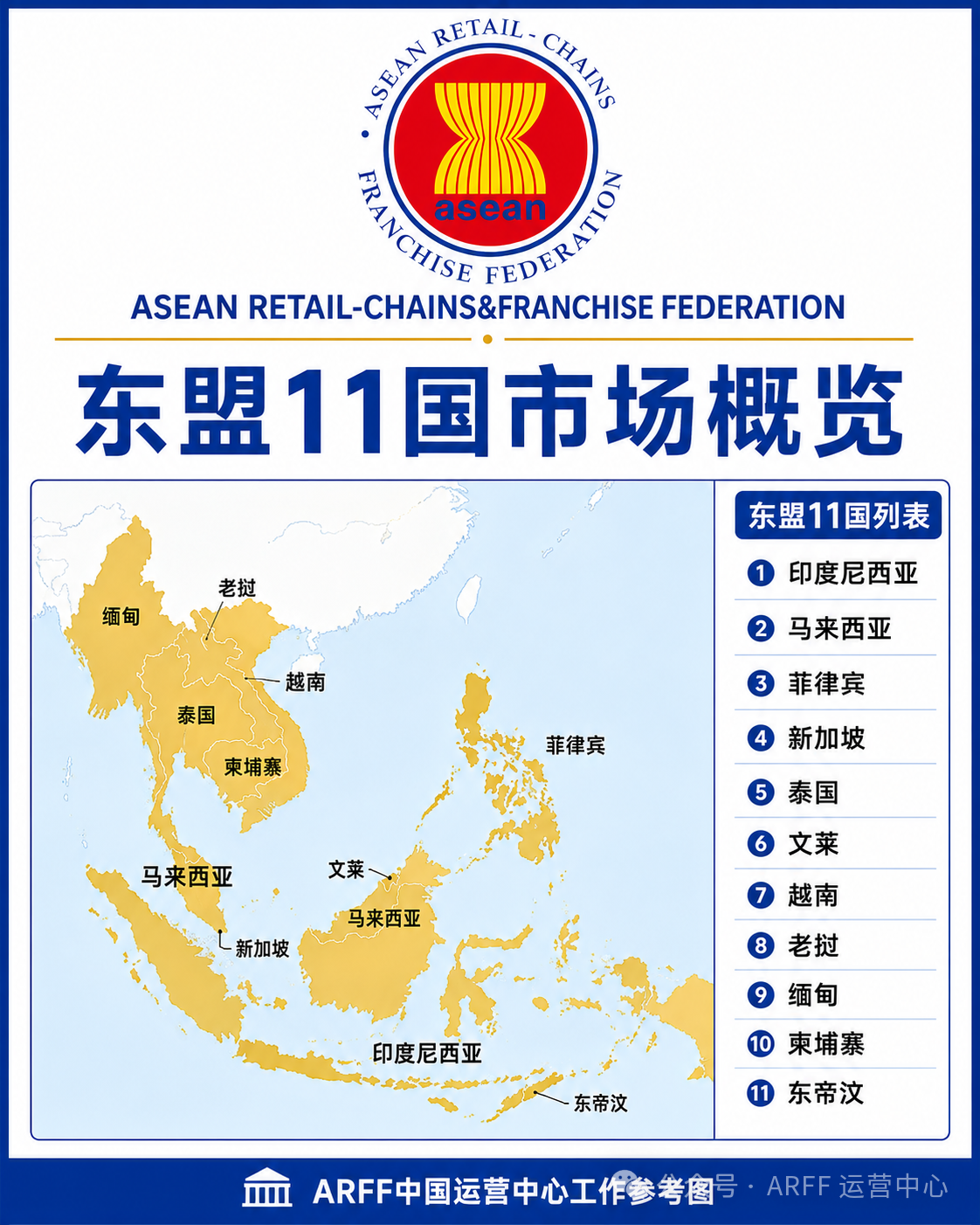
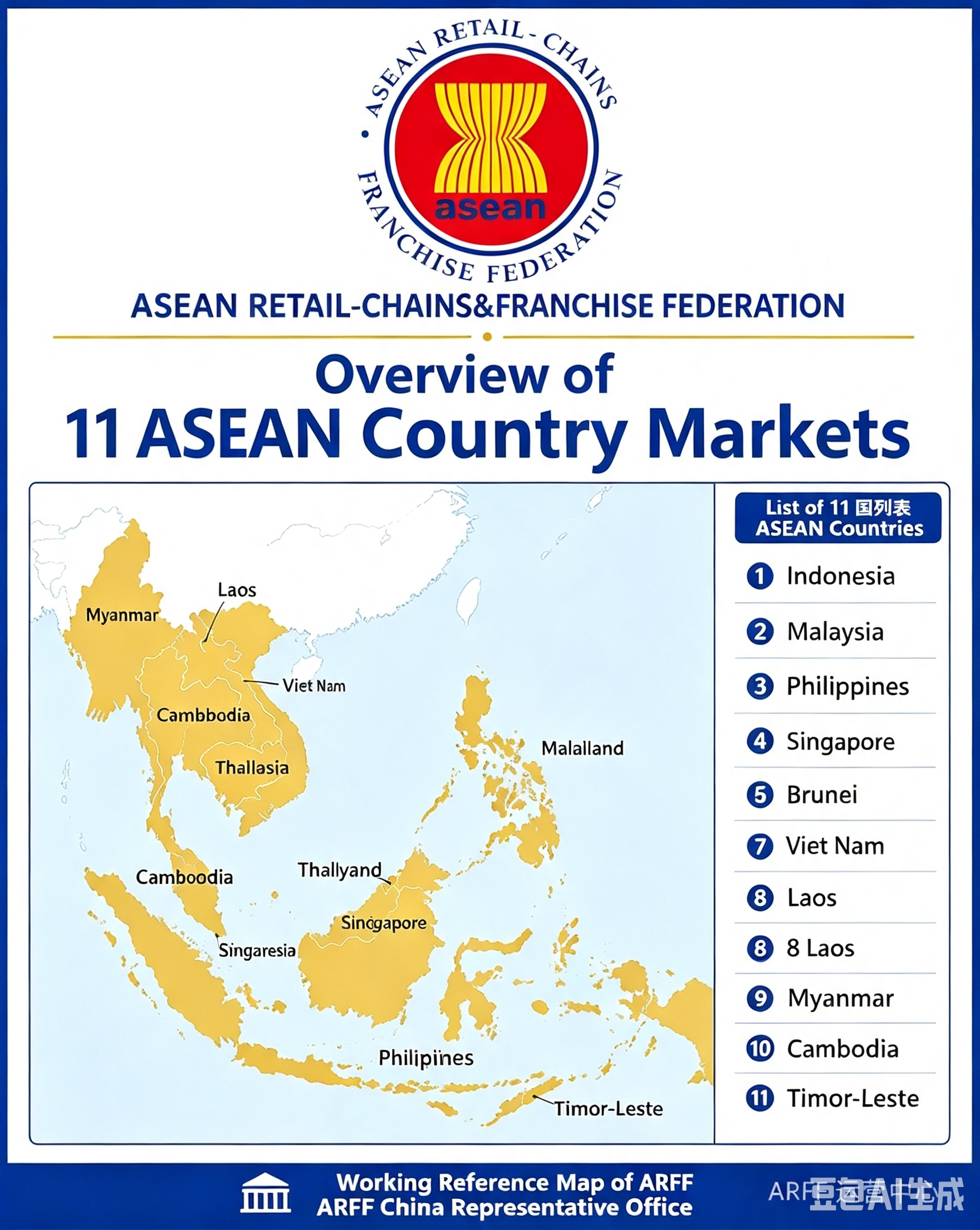
东盟不是一个单一市场。
ASEAN is not a single market.
马来西亚、印尼、泰国、越南、菲律宾、新加坡等国家,在消费习惯、法律制度、进口规则、渠道结构和市场成本方面都有差异。
Malaysia, Indonesia, Thailand, Vietnam, the Philippines, Singapore and other countries differ in consumer habits, legal systems, import rules, channel structures and operating costs.
企业不能简单说"我要做东盟市场",而要进一步明确:
A company should not simply say "I want to do the ASEAN market" — it must clarify the following:
先进入哪个国家?
Which country should I enter first?
为什么选择这个国家?
Why have I chosen this country?
这个市场是否适合我的产品?
Is this market a good fit for my product?
我是做贸易、代理、渠道测试,还是本地化运营?
Am I doing trade, agency distribution, channel testing, or localised operations?
这个市场能否成为后续进入其他东盟国家的支点?
Can this market serve as a springboard for entering other ASEAN countries later?
对很多中国企业而言,马来西亚可以作为观察东盟、理解清真产业、对接区域资源的重要入口之一。
For many Chinese enterprises, Malaysia can serve as one of the important gateways to observe ASEAN, understand the halal industry, and connect with regional resources.
但即使是马来西亚,也需要具体行业具体分析。
But even in Malaysia, the analysis must be specific to each industry.
三、再看清路径:我是卖货,还是做长期市场?
Step 3: Look at the Path — Am I Selling, or Building a Long-Term Market?
企业进入海外市场,至少有几种不同路径:
When an enterprise enters an overseas market, there are at least several different paths:
1.贸易型进入
1.Trade-based Entry
通过采购商、代理商、渠道商,把产品卖出去。
Sell products through buyers, agents and channel partners.
适合初步测试市场,但企业对终端掌控较弱。
Suitable for initial market testing, but the enterprise has weaker control over the end market.
2.渠道合作型进入
2.Channel Partnership Entry
寻找长期渠道伙伴,共同开发市场。
Find long-term channel partners to develop the market together.
需要更重视价格体系、授权边界和售后服务。
This requires greater attention to pricing systems, authorisation boundaries and after-sales service.
3.本地化服务型进入
3.Localised Service Entry
在当地建立服务能力、仓储能力、展示能力或团队能力。
Build local service capacity, warehousing, display and team capabilities.
适合希望长期经营的企业。
Suitable for enterprises seeking long-term operations.
4.产业协同型进入
4.Industrial Collaboration Entry
通过产业园区、商协会、供应链伙伴、当地企业共同推进项目。
Advance projects jointly through industrial parks, chambers of commerce, supply chain partners and local enterprises.
适合农业、食品、制造业、清真产业、物流、连锁等方向。
Suitable for sectors such as agriculture, food, manufacturing, the halal industry, logistics and chain operations.
路径不同,准备工作完全不同。
Different paths require entirely different preparation work.
企业必须先选路径,再谈资源。
An enterprise must first choose its path, then talk about resources.
四、最后看清风险:哪些事情不能急?
Step 4: Look at the Risks — What Shouldn't Be Rushed?
企业出海最怕"听到机会就马上承诺"。
The biggest risk in going overseas is committing immediately upon hearing an opportunity.
有些事情必须先评估:
Certain matters must be assessed in advance:
是否需要产品准入;
Whether product market access is required;
是否涉及清真认证;
Whether halal certification is involved;
是否需要本地公司;
Whether a local entity is required;
是否需要仓储和售后;
Whether warehousing and after-sales service are required;
代理关系是否排他;
Whether the agency relationship is exclusive;
付款方式是否安全;
Whether the payment method is secure;
合同适用法律如何约定;
How the governing law of the contract is defined;
是否存在政策套利、虚假贸易、简单贴牌转口等风险。
Whether there are risks of policy arbitrage, fictitious trade, or simple white-label and re-export arrangements.
越是跨境业务,越要把规则讲清楚。
The more cross-border the business, the clearer the rules must be.
真正长期的合作,一定建立在合规基础上。
Genuinely long-term cooperation must always be built on a foundation of compliance.
五、ARFF中国运营中心可以做什么?
Step 5: What Can the ARFF China Representative Office Do?
ARFF中国运营中心的角色,不是替企业作出商业决策,也不是承诺订单、审批或投资结果。
The role of the ARFF China Representative Office is not to make commercial decisions on behalf of enterprises, nor to promise orders, approvals or investment outcomes.
我们希望帮助企业做好前期工作:
We aim to help enterprises with the preparatory work:
了解马来西亚及东盟市场;
Understand the Malaysian and ASEAN markets;
判断企业需求属于哪一类;
Identify which category an enterprise's needs fall into;
协助梳理基础资料;
Assist in organising basic documentation;
提供出海路径建议;
Provide recommendations on overseas expansion paths;
对接相关商协会、企业、渠道和专业服务资源;
Connect with relevant chambers of commerce, enterprises, channels and professional service resources;
对具备推进价值的项目纳入后端商机跟进机制。
Channel projects with advancement potential into the back-end business opportunity follow-up mechanism.
企业前期只需要把基础信息讲清楚:
At the initial stage, enterprises only need to provide basic information clearly:
企业名称 + 联系方式 + 主营业务 + 一句话需求。
Company name + contact details + main business + a one-line description of needs.
后续再根据实际情况逐步深入。
Further engagement will follow step by step based on the actual situation.
结语 / Conclusion
出海不是比谁走得快,而是比谁走得稳。
Going overseas is not a race to be the fastest — it is a race to be the steadiest.
真正有准备的企业,不会一开始就急着问"有没有客户",而会先问:
A truly prepared enterprise will not rush to ask "do you have customers?" at the start. Instead, it will first ask:
我的出海地图画清楚了吗?
"Have I drawn my overseas expansion map clearly?"
先看清自己,再看清市场;
First, see yourself clearly. Then, see the market clearly.
先选对路径,再对接资源;
First, choose the right path. Then, connect with resources.
先守住合规,再追求增长。
First, safeguard compliance. Then, pursue growth.
这才是中国企业进入马来西亚及东盟市场更稳妥的第一步。
This is the steadier first step for Chinese enterprises entering the Malaysian and broader ASEAN markets.